ACQUISITION & ACTIVATION
Gateway to Growth
The path to achieving a frictionless authentication experience through strategic A/B testing.
ROLE
Head of Product Design, Growth & New Value
OVERVIEW
Unlocking ITVX Growth
As Head of Product Design at ITV, I led a strategic programme to transform authentication into a measurable growth lever for ITVX. Following the migration from ITV Hub to ITVX, sign-in friction became one of the biggest blockers to engagement, particularly for dormant users returning for major events.
Through the introduction of structured A/B testing and systematic UX improvements to the end-to-end sign in and password reset journeys , we unlocked: 350,000 incremental MAUs, saw a 70% reduction in Customer & Viewer Service contacts and 5% reduction in dormancy rates
This work established experimentation as a core growth capability and created a scalable model for continuous optimisation across ITVX.
IMPACT OF AUTHENTICATION INITIATIVES IN 2023
5%
reduction in dormant users
less Customer & Viewer Service contacts
350,000
incremental MAUs unlocked
70%
CONTEXT
About ITV
ITV is the UK’s largest commercial broadcaster and streamer. In late 2022, it launched ITVX across web, mobile, connected TV and gaming consoles, combining free ad-funded streaming with a paid ad-free subscription.
Following the migration from ITV Hub, millions of existing users were carried across to ITVX. However, many returning users were unclear whether they already had an account, creating confusion and friction at the most critical moment: sign-in. This led to:
High volumes of password reset attempts
Unnecessary re-registrations
Spikes in Customer & Viewer Services contacts during major events
We identified authentication as a primary growth lever: if we could remove friction at the front door, we could re-engage dormant users at scale.
POSITION
Establishing experimentation as a growth strategy
REFRAMING THE PROBLEM
I reframed authentication from a UX problem to a growth opportunity.
By connecting sign-in friction directly to
MAU growth
Customer satisfaction
Operational cost
I shifted leadership perception from “fixing journeys” to unlocking growth at scale.
INFLUENCING SENIOR DIRECTION
I secured senior buy-in to:
Treat experimentation as a strategic capability
Agree shared success metrics (MAUs, conversion, service contacts)
Fund structured testing rather than one-off fixes
This established measurement and accountability as the default operating model for growth initiatives.
SETTING THE OPERATING MODEL
I introduced a test-and-learn framework that:
Replaced opinion-led decisions with data
Created confidence in shipping change safely
Became the blueprint for experimentation across the Streaming org
This moved ITVX from reactive optimisation to continuous, scalable growth.
PEOPLE
Building confidence in data-led design
The core team consisted of a Senior Product Designer (Acquisition & Activation), a Product Designer specialising in mobile platform design and a Senior UX Writer.
I introduced structured mentorship, pairing the senior with the more junior designer to build leadership capability, accelerate skill development and encourage knowledge sharing
How I elevated performance
Clear ownership across discovery, experimentation and delivery
Coaching on hypothesis-driven design
Led Amplitude onboarding
Regular crits and retros to raise quality
Result: A confident, data-literate team able to ship, measure and iterate at speed.
BUSINESS GOALS
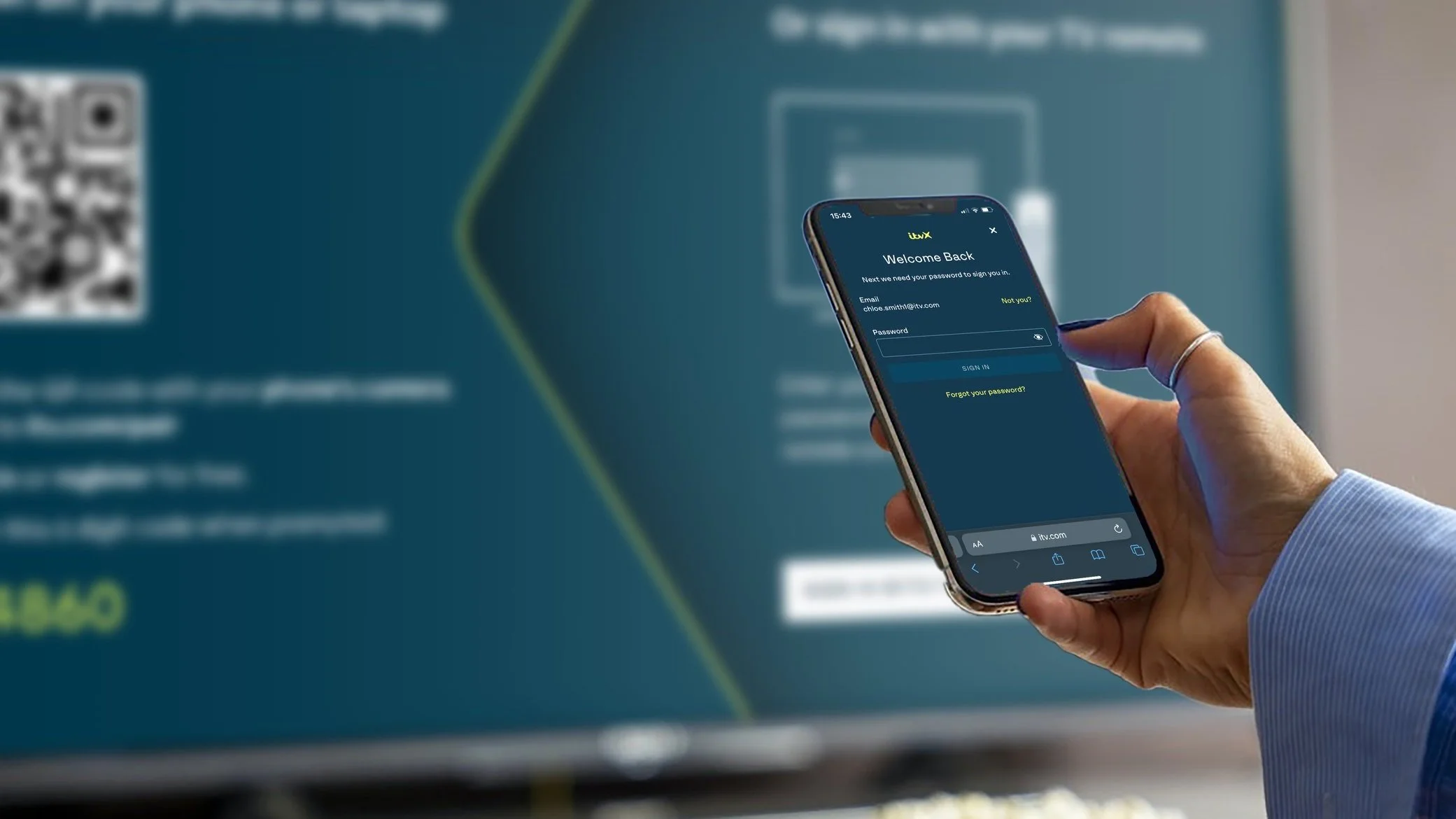
• Provide a frictionless sign-in for dormant users.
• Reduce the number of dormant users.
• Increase conversion rate of registrations and sign-ins.
• Reduce event-driven contacts to Customer & Viewer Services.
CHALLENGES
• 72% of user base was dormant, only returning for large events(eg. World Cup)
• Poor understanding of ITV Hub > ITVX account migration.
• Multiple confusing entry points (sign-in vs register)
• No established experimentation framework.
STRATEGIC APPROACH
• Implement A/B testing for a more agile, responsive, and user-centred approach.
• Use of phased approach, starting with web-based experiments before scaling.
• Prioritise high-impact, low-complexity changes
• Align design, data and engineering around shared success metrics
PROCESS
Rapid mitigation
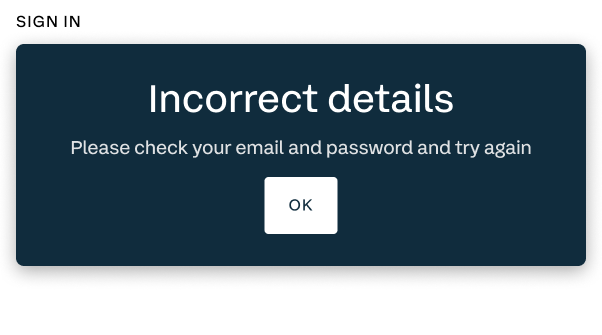
When I joined, password reset confusion was driving frustration as users didn’t know if an account exsited, no confirmation emails arrived and support tickets surged. I led a quick fix to reduce immediate pain:
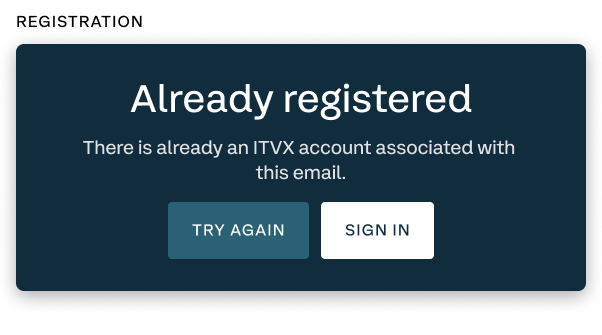
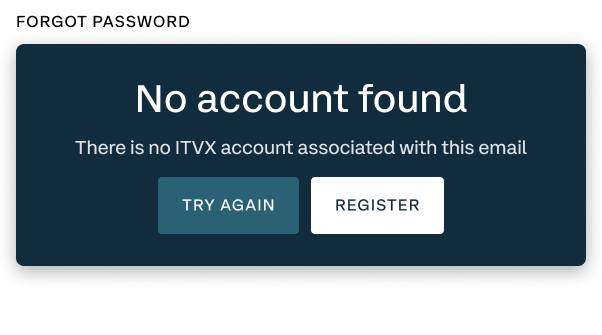
Introduced a “No Account Found” modal
Used an existing Design System component to ship fast
Partnered with Cybersecurity to ensure safety
Impact:
Triggered 102,326 times
+132% increase in completed registrations
Support contacts halved
This created breathing room while we tackled root causes properly.
Deep discovery
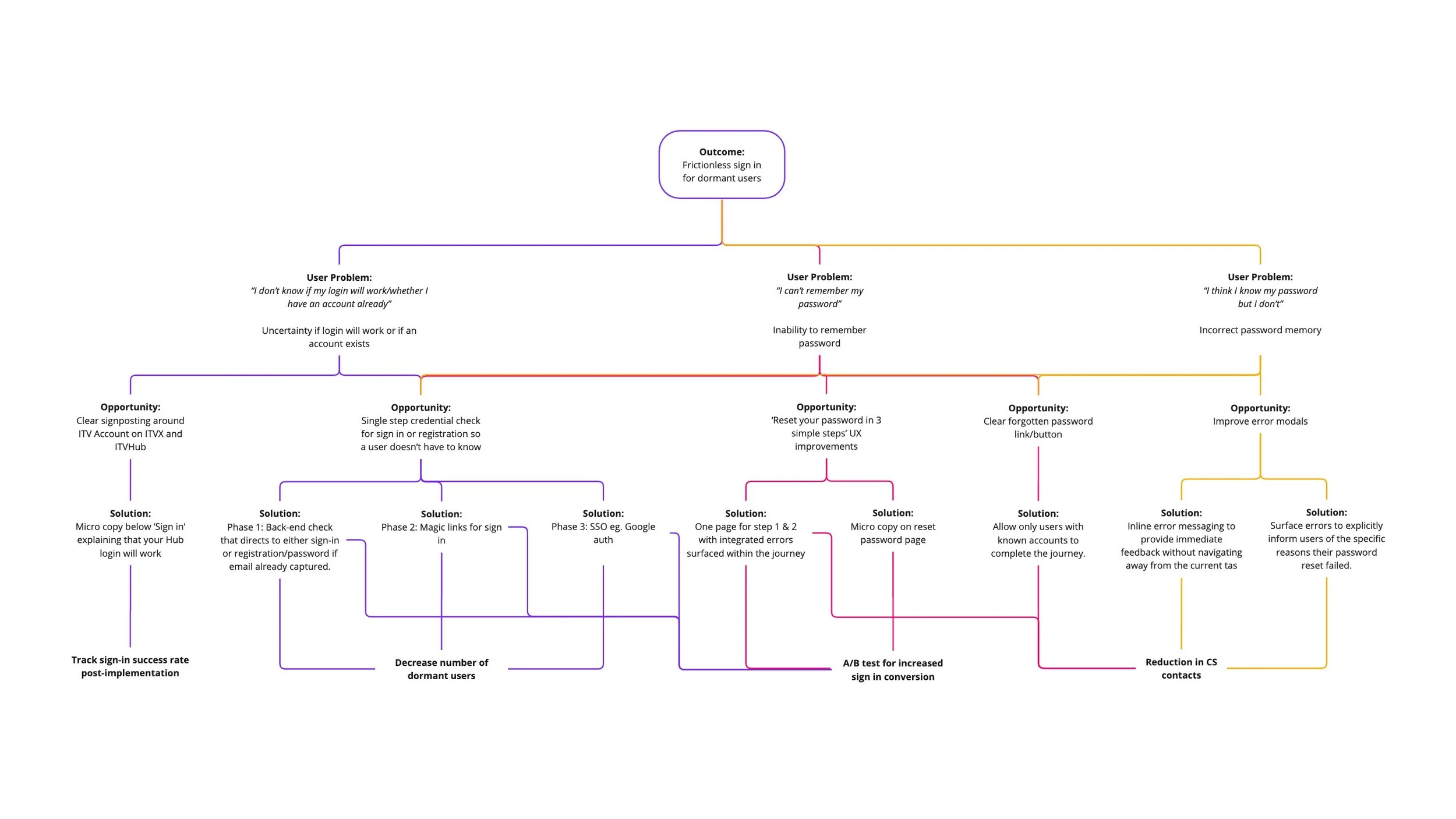
I pushed the team to challenge assumptions in the registration and sign-in processes, through user testing, customer service data analysis, and reviewing competitors.
Key findings revealed that:
48% of users attempting to register already had an account.
20% attempting to sign in don’t have an account or forgot their password.
25% mistakenly start password resets, thinking they have an account
30% failed to complete reset
"Forgotten password" was among the top three customer service issues.
11% of users created duplicate accounts.
These insights set the foundation for identifying critical improvements in our user interface to enhance user satisfaction and streamline access to our service.
Deep discovery
I introduced an A/B testing pilot using Amplitude:
Positioned it as a strategic capability, not a one-off
Ran training sessions
Embedded:
hypothesis writing
success metrics
confidence thresholds
Started with browser-journeys first as this was the CTV entry point for the majority of users so that we could learn before scaling to other platforms. This eventually became the experimentation model for the wider streaming org.
PRODUCT
Redesigning the front door
We addressed our user authentication challenges through structured improvements, focusing first on streamlining entry points and then on optimising password management.
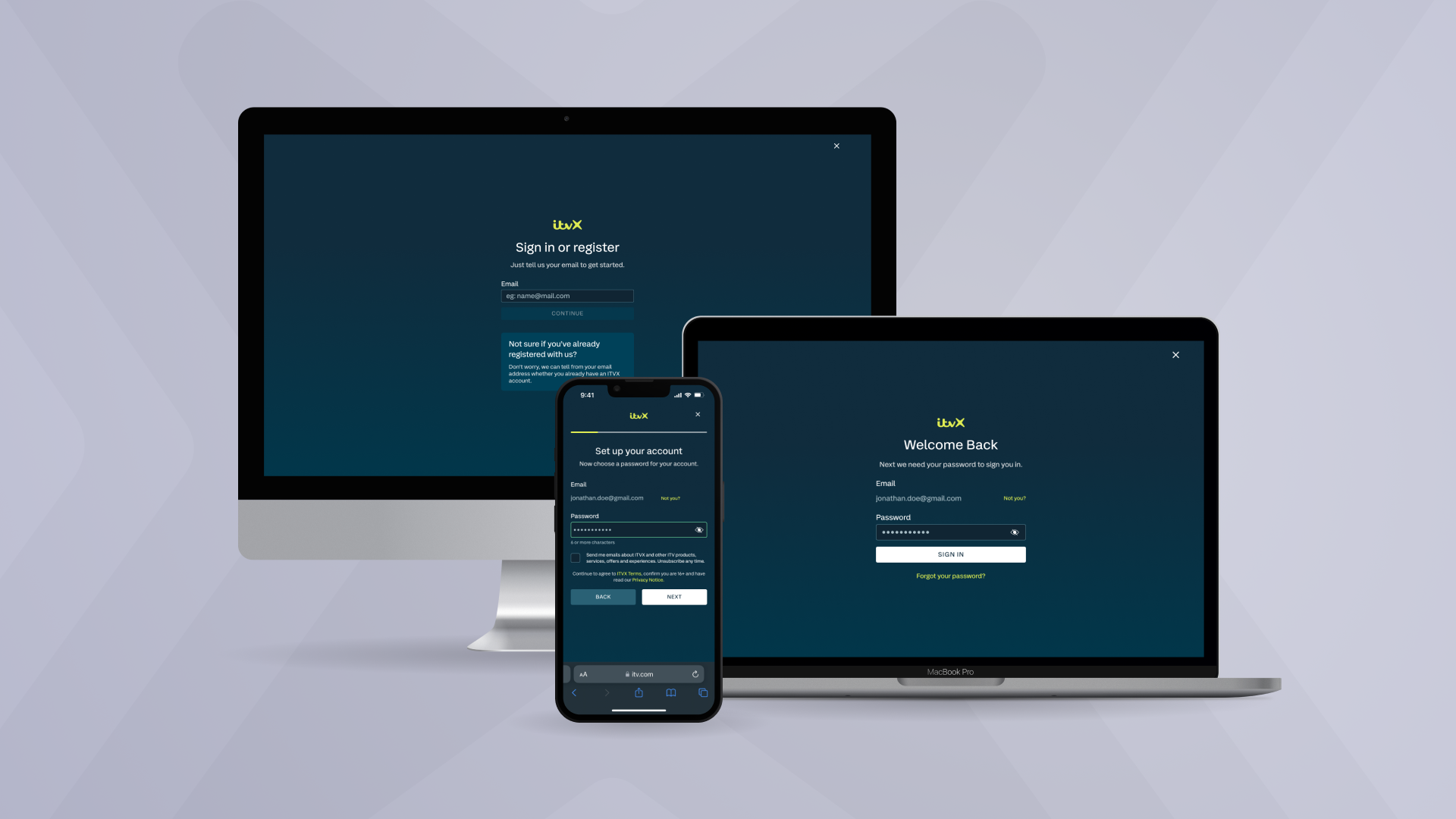
Phase 1: Single Email Entry
Hypothesis
Simplifying the sign in screen to a single email entry field that intelligently directs users either to the sign-in or registration flow based on the presence of an account linked to the email, will improve conversion to login and registration by 5%.
Shipped
Single email entry with intelligent routing eg.
existing account detected > sign in
new user > register
Clearer signposting and help copy
Forgot password only appears when relevant
Bot detection
Phase 2: Optimising the Forgotten Password Flow
Hypothesis
Reducing steps, improving instructions and automatically logging users in at the end of our reset password journey will increase conversion to sign in by 5%.
Shipped
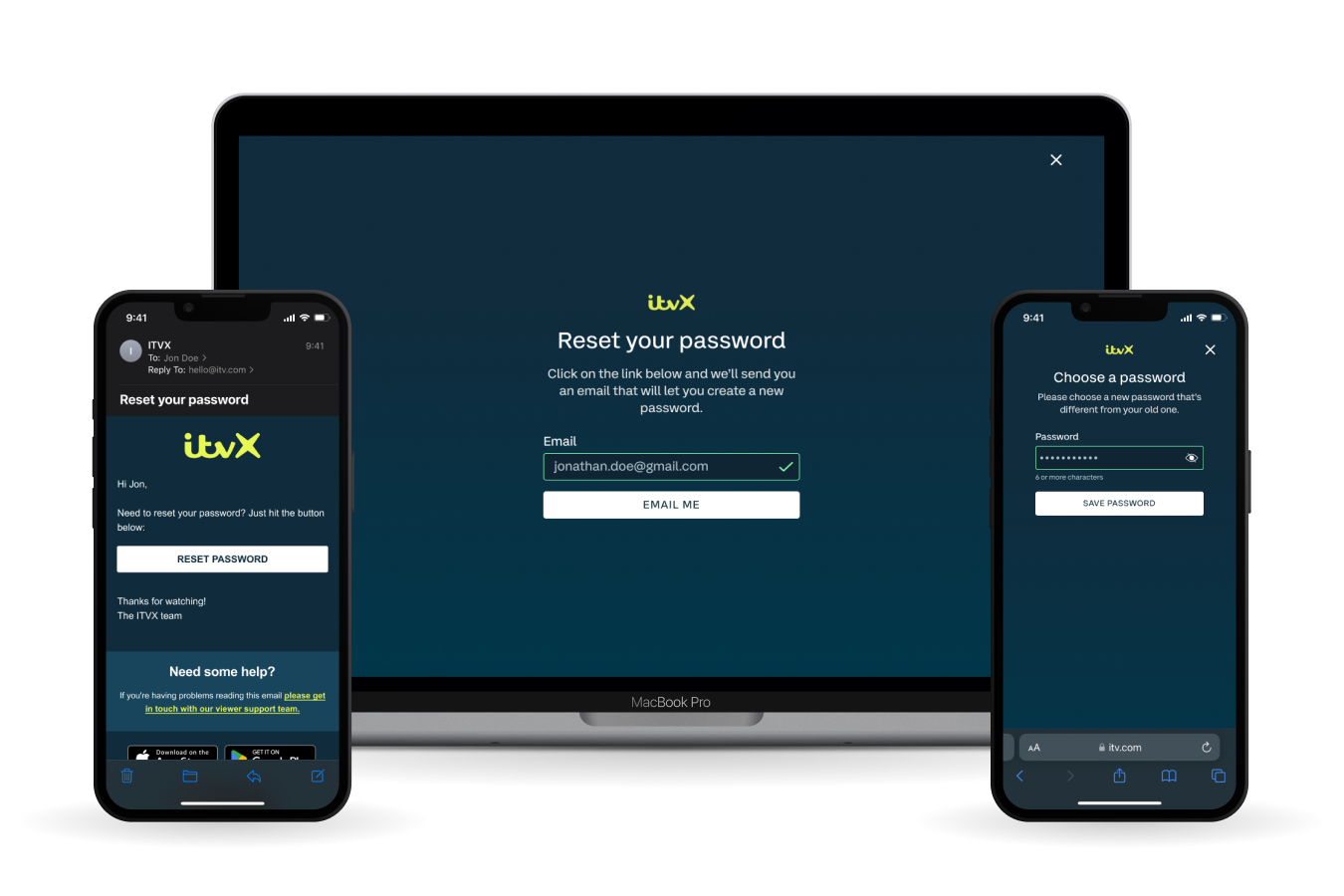
Auto-fill email
Simplified instructions
Removed unnecessary steps
Automatic login after reset
Before and after the sign in/registration improvements using A/B testing to validate hypotheses
OUTCOMES & IMPACT
Measuring Success
Phase 1: Single Email Entry
Achieved statistical significance within 24 hours and eventually rolled out to 100% of users. This update led to:
+12% successful logins
+14% registrations,
-11% login failures
+250,000 monthly logins.
Phase 2: Optimising the Forgotten Password Flow
Following the success of the first phase, we launched the Forgot Password improvements which:
Reduced drop-off from 30% > 7%
+8% successful logins
-56% reset failures
+11% engagement post-reset
+21,000 monthly logins
Cumulatively, improvements made in 2023 added approximately 350,000 MAUs and reduced customer service contacts related to authentication issues by 70%. We saw a 5% reduction in dormancy rates as a result of the authentication initiatives.
Future Direction
In the initial discovery phase, we identified mobile sign-in enhancements and inconsistencies in 'forgot password' email displays across various email clients. This led to a significant redesign, improving password reset success rates. We also explored keyboard-based entry for Connected TV (CTV) to cater to user preferences over QR codes. Future plans include integrating magic links and third-party Single Sign-On (SSO) solutions like Google authentication to refine the user experience further. These initiatives aim to apply web enhancement insights to CTV and enhance overall accessibility and functionality.
RESULTS
11%
decrease in login failures
76%
improvement in password reset drop off rate
increase in registrations
12%
increase in successful logins
14%
increased conversion to view
56%
decrease in reset failures
11%
“Chloe enables the team to perform at their best. She is clear and concise with introducing new processes and supporting the team in doing so. She is really great at providing that bridge of knowledge and communication cross-functionally, allowing for great collaboration.”
Tom Barrett
Product Designer
Fancy another?

Premium Persuasion
Leveraging Black Friday to upsell users and drive subscription growth to ITVX Premium.
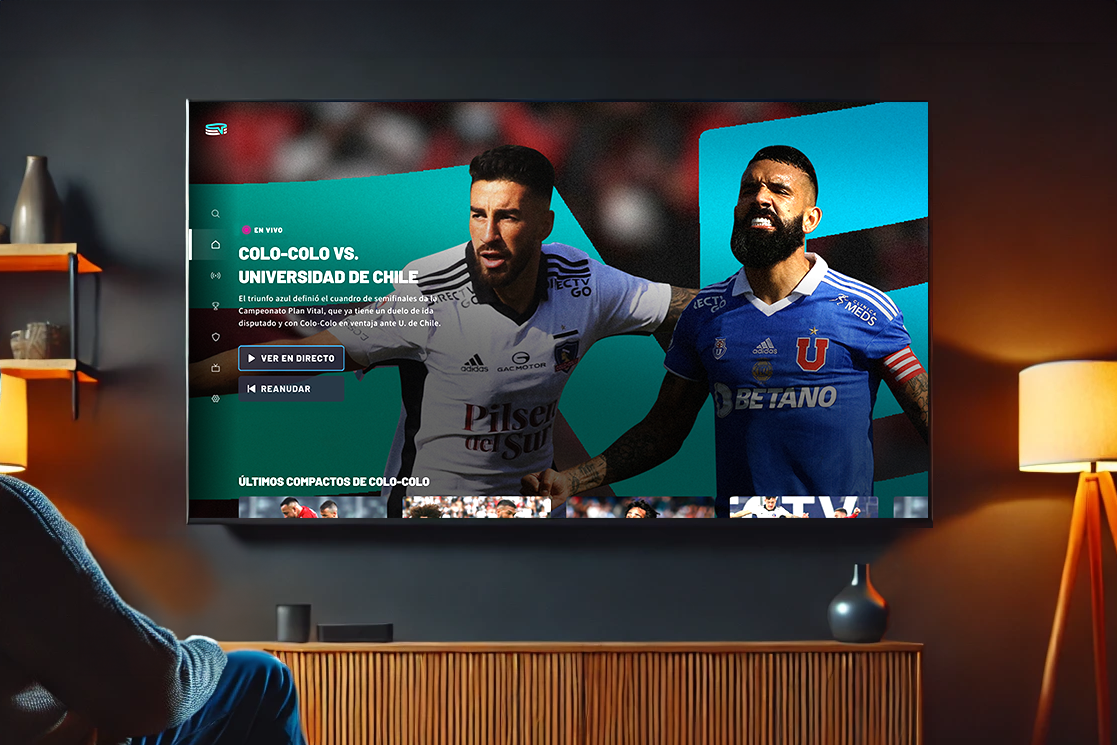
Systems for Sports
Tackling a design system suitable for global sports streaming with TNT Sports.
Magic in Motion
Reimagining the role of Motion Design for product innovation in kids entertainment